
Inherited Property & Title
Jan 24 2026 22:26
Inherited Property & Title Insurance: What Happens When the Deed Doesn't Match the Will?
![[HERO] Inherited Property & Title Insurance: What Happens When the Deed Doesn't Match the Will?](https://cdn.marblism.com/upejQz3h9sq.webp)
Losing a loved one is hard enough. The last thing you need is to discover that the property they left you comes with a tangled mess of paperwork problems. But here's the reality: it happens more often than you'd think.
You inherit Grandma's house in New Jersey. Or maybe your uncle left you his investment property in Pennsylvania. You're ready to move forward: whether that means moving in, selling, or refinancing. Then someone at the title agency tells you there's a problem: the deed doesn't match the will.
Take a deep breath. This is fixable. But understanding what's happening (and why title insurance matters so much in these situations) can save you a lot of stress, time, and money down the road.
Why Do Deed and Will Mismatches Happen?
First, let's talk about how this situation even occurs. It's more common than you'd expect, and it usually comes down to one of these scenarios:
Missing or invalid signatures. Maybe your grandmother added your uncle to the deed years ago, but never updated her will to reflect that. Or perhaps a spouse forgot to sign when the property was transferred decades back.
Outdated documents. Wills get updated. Deeds don't always follow. Someone might have written a will in 1995 leaving the house to their daughter, then added their son to the deed in 2010: but never changed the will.
Clerical errors. Misspelled names, incorrect property descriptions, or missing notary signatures on either document can create serious ambiguity about who actually owns the property.
Undiscovered wills. Sometimes a more recent will surfaces after the estate has already been settled, naming a completely different beneficiary.
Contested inheritance. Multiple heirs, blended families, or informal verbal agreements can leave ownership murky and open to dispute.
Any of these issues creates what's called a "title defect": essentially a cloud over the property's ownership that can delay or even prevent a home purchase, sale, or refinance.
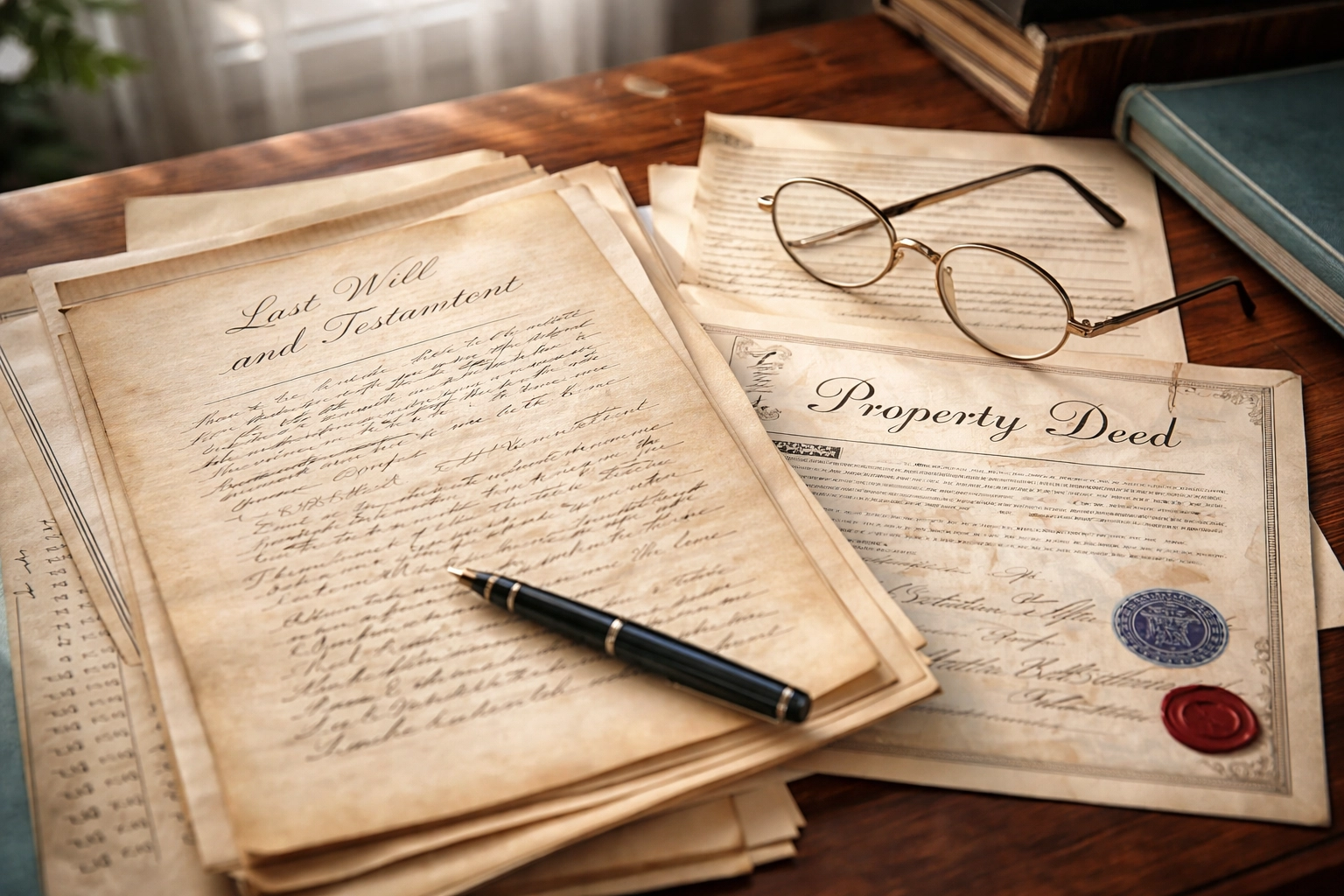
Understanding Chain of Title Issues in Estate Situations
Here's where things get a little technical, but stick with me: this is important.
Every property has something called a "chain of title." Think of it as the property's ownership history, documented through deeds, court records, and other legal filings. When you buy real estate, the title agency traces this chain back to make sure each transfer was legitimate and properly recorded.
When someone passes away and leaves property behind, that chain of title needs to continue smoothly. The problem? Estate situations often introduce gaps or breaks in that chain.
For example:
- The deceased owner might have inherited the property themselves but never recorded a proper deed
- There could be multiple heirs who never formally transferred their interests
- Previous owners may have had outstanding debts or liens that were never resolved
- Inheritance taxes might remain unpaid, creating a lien against the property
In Pennsylvania and New Jersey, these chain of title issues are especially common with older properties that have passed through multiple generations. And if you're trying to sell or refinance an inherited property, any break in that chain becomes your problem to solve.
Why a Thorough Title Search Is Non-Negotiable
This is where working with an experienced title agency really pays off. A comprehensive title search digs deep into public records to uncover potential problems before they derail your plans.
During an estate-related title search, we're looking for:
- Missing heirs who might have a legal claim to the property
- Unpaid inheritance taxes or estate taxes that create liens
- Old mortgages or liens that were never properly released
- Judgments against the deceased that could attach to the property
- Easements or restrictions that weren't disclosed
- Probate issues that need to be resolved before transfer
A good title search doesn't just look at the most recent transaction. It examines decades of history to ensure the person selling or transferring the property actually has the legal right to do so.
If you're inheriting property or buying from an estate in PA or NJ, don't skip this step. The few hundred dollars spent on a thorough title search can save you thousands in legal fees and headaches later.

How Title Insurance Protects You (and Future Buyers)
So what happens if something slips through? What if a long-lost heir shows up five years from now claiming they should have inherited the property? Or an old lien surfaces that nobody knew about?
This is exactly why title insurance exists.
Title insurance is a one-time policy that protects you against defects in title that were unknown at the time of your purchase. If someone later challenges your ownership based on a problem that existed before you bought the property, your title insurance policy kicks in to:
- Defend you in any legal proceedings
- Cover legal costs associated with the dispute
- Compensate you for losses if the claim is valid
For inherited properties specifically, title insurance is crucial because problems often don't surface until years after the original transfer. The original owner's title insurance policy doesn't automatically transfer to you as an heir: you need your own coverage.
And here's something many people don't realize: if you're planning to sell an inherited property, your buyer's lender will require title insurance anyway. Having a clean title search and insurance in place makes the sale process dramatically smoother.
Important to know: Title insurance typically covers defects discoverable through public records. Some issues: like informal family agreements or relationships not documented anywhere: might fall into gray areas. That's why working with a knowledgeable title agency who knows how to navigate estate situations is so valuable.
Learn more about residential title insurance and how it protects your home purchase.
Resolving Deed-Will Mismatches: What to Expect
If a mismatch is discovered, don't panic. These issues are resolvable: they just require some extra steps and documentation.
Affidavits of heirship. These sworn statements help establish the family relationships and inheritance rights when documentation is incomplete.
Court orders. Sometimes you'll need a court to formally recognize who the rightful heirs are, especially in contested situations.
Corrective deeds. If the original deed had errors, a corrective deed can be filed to fix them.
Quiet title action. In more complex cases, a legal proceeding called a "quiet title action" may be necessary to officially clear the defect and establish clean ownership.
Negotiated settlements. When multiple parties have potential claims, sometimes the best path forward is negotiating a settlement that everyone can agree to.
The timeline for resolution varies depending on the complexity of the situation. Simple clerical corrections might take a few weeks. Contested inheritances with multiple heirs could take months. Having a title agency that communicates clearly throughout the process makes all the difference.

Working with the Right Title Agency Makes All the Difference
Estate-related real estate transactions are inherently more complicated than standard home purchases. There are more parties involved: executors, attorneys, multiple heirs, lenders, and sometimes the courts. Emotions run high. Deadlines feel impossible.
At American National Land Transfer , we specialize in navigating these complex family situations. We coordinate with all parties, keep communication flowing, and focus on finding solutions rather than creating roadblocks.
We understand that behind every title search is a real family going through a difficult time. Our job isn't just to process paperwork: it's to guide you through the process with empathy and expertise, making sure your loved one's property transfers smoothly to its rightful new owner.
Ready to Move Forward?
If you've inherited property in Pennsylvania or New Jersey: or you're buying from an estate: don't let title concerns keep you up at night. A thorough title search and the right title insurance policy can protect your investment and give you peace of mind.
Have questions about an inherited property? We're here to help you sort through the complexities and find a clear path forward. Reach out to our team for a consultation, or explore our settlement services to learn more about how we can support your transaction.
You've got enough on your plate. Let us handle the title work.